
How Cavendish Maxwell Turned a Simple Step Challenge Into a Month of Consistent Movement
A data-backed look at what motivated participation, how people engaged, and the behavioral patterns that shaped the experience.
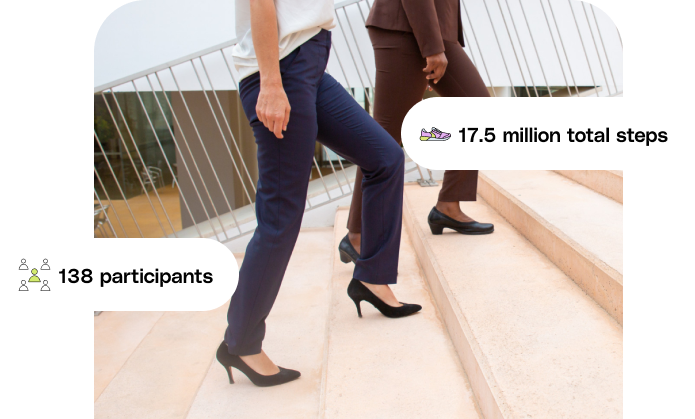

Cavendish Maxwell is a leading property and consultancy firm with a diverse workforce across roles, age groups, and work styles. This variety created a strong setting for a month-long movement challenge that encouraged employees to stay active through simple, trackable habits.
Challenge Overview
During the month of November, Cavendish Maxwell launched a company-wide Step Challenge using the Wellbayt app. The goal was simple: encourage movement through daily step tracking while giving employees a space to follow their progress and stay motivated.
The challenge included:
- Daily step tracking
- A real-time leaderboard
- Seamless syncing across devices
- A friendly sense of shared progress
Most participants joined to move more, build a routine, or try something new. The challenge became a natural part of the workday, with people checking their progress during breaks, after meetings, or on the way home.
Participation at a Glance
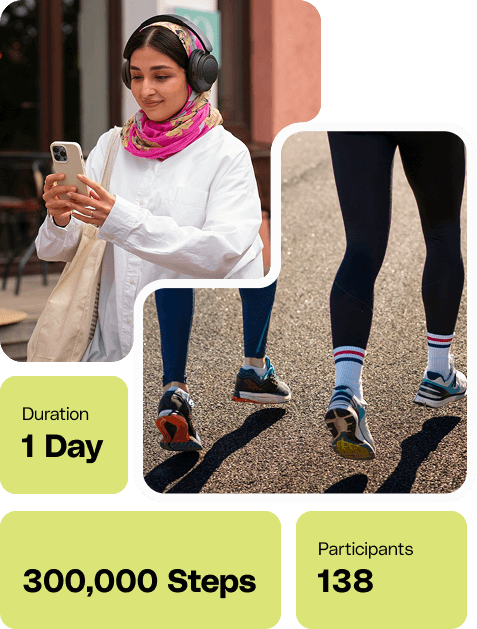
The turnout was strong, with 138 employees taking part and a high number syncing their data throughout the month. Activity ranged across departments and age groups, with steady engagement throughout November.
Gender Distribution (%)
No Data Found
Age Distribution (%)
No Data Found
Engagement Patterns Inside the Challenge
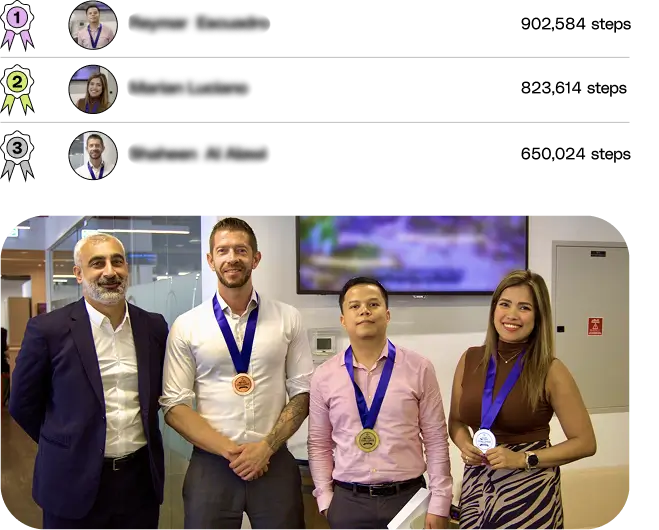
Movement remained steady throughout November. Many participants checked the leaderboard daily, and friendly competition played a part in keeping the challenge active. High performers reached well above 400,000 steps, with the top participant crossing 700,000.
The leaderboard created a sense of momentum, and simple daily goals made it easy for people to stay on track. Activity remained consistent even toward the end of the month, which is often the hardest period for long challenges.
Behavior Insights
A closer look at the month shows clear patterns in how people participated.
Wellbeing Impact
Movement throughout November was noticeably higher than in previous months. Average steps more than doubled from October to November, and active minutes rose sharply. This shift aligned with the Mood Pulse, where most participants reported feeling great or good during the challenge period.
Survey feedback reflected the same trend. Many participants shared that the challenge improved their energy and mood, even with small adjustments to their daily movement.
The Wellbeing Productivity Index remained steady, indicating a balanced month of activity and overall wellbeing.
Mood Pulse (%)
No Data Found
App Experience
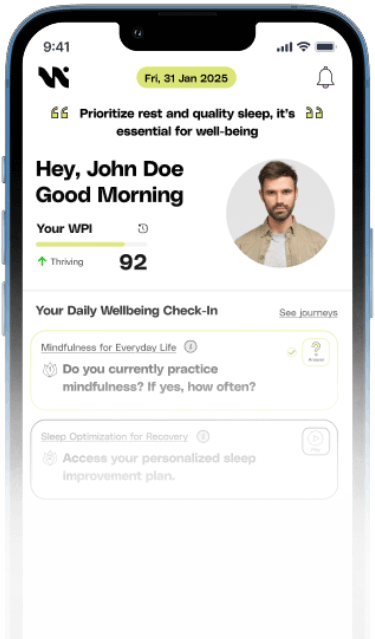
Employees found the Wellbayt app easy to use, and the most-used features were the Step
Challenge and Daily Check-in. People checked their step count regularly, refreshed the leaderboard, and used the app to monitor progress through the month.
A few participants recommended improvements such as automatic sync with additional wearable devices, giving the product team future development insights.
Strong ease-of-use ratings

Positive experiences with step syncing
High interest in joining future challenges
Simple daily goals as the main motivator
What This Means for Workplace Wellbeing
The Step Challenge showed how movement can fit naturally into a busy workday when employees have simple tools to track progress. Participation remained steady because the challenge felt approachable and easy to start. People moved more, checked in more often, and stayed engaged without pressure.
For companies, this experiment highlights the value of accessible wellbeing activities, consistent low-effort habits, challenges that work for all fitness levels, and tools that help employees see their progress.
Accessible Activities
Simple, accessible activities make it easier for employees to participate and stay engaged.
Low-Effort Consistency
Small, repeatable actions help build habits without overwhelming employees.
Inclusive Challenges
Challenges designed for all fitness levels create a more inclusive wellbeing culture.
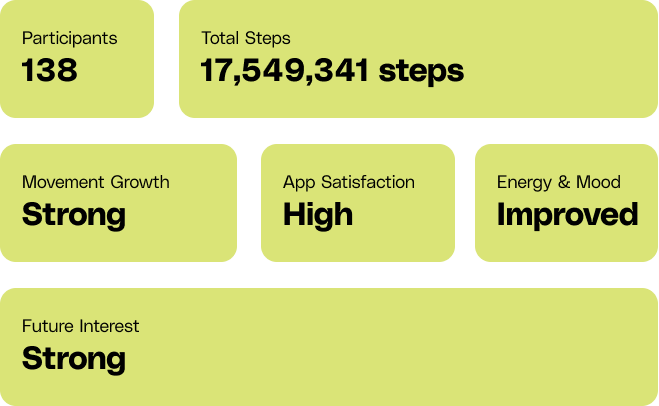
Results Summary
A clear snapshot of the month: the challenge created momentum that can support future wellbeing activities across the organization.
Bring Movement to Your Workplace
The Cavendish Maxwell Step Challenge shows how small daily habits can influence workplace behavior in meaningful ways. When movement is simple, trackable, and shared, people make room for it in their day. The result is a team that feels more active, more aware of their wellbeing, and more connected.