Moving from HR people analytics reports to decision signals
HR people analytics becomes valuable when it helps teams connect engagement, wellbeing, and performance data to real workforce decisions.
Many HR dashboards focus on volume. Number of users, number of sessions, number of activities completed. These figures show activity, but they do not always explain what is changing inside teams.
Decision-ready people data answers different questions:
- Where is engagement rising or declining over time?
- Which teams are forming sustainable habits versus short-term participation?
- How does recognition activity align with morale and retention patterns?
- When do wellbeing indicators shift before performance is affected?
When data is organized around these questions, it becomes a guide rather than a report.
Understanding workforce health as a system
Workforce wellbeing and productivity are interconnected. Looking at them in isolation often hides early signals.
Indexes like a combined wellbeing and productivity score help HR teams observe trends rather than snapshots. When tracked over time, changes in overall workforce health often appear before spikes in absence, disengagement, or attrition.
Breaking these indicators into clear pillars allows HR to see whether changes are driven by emotional wellbeing, engagement patterns, or productivity pressures. This helps leaders respond with targeted actions rather than broad initiatives.
Engagement data that reflects quality
Participation numbers alone can be misleading. High activity does not always indicate meaningful engagement.
More useful signals include:
- The percentage of employees who move from active to engaged over time
- Completion rates for challenges and journeys
- Continued use of wellbeing content beyond initial onboarding
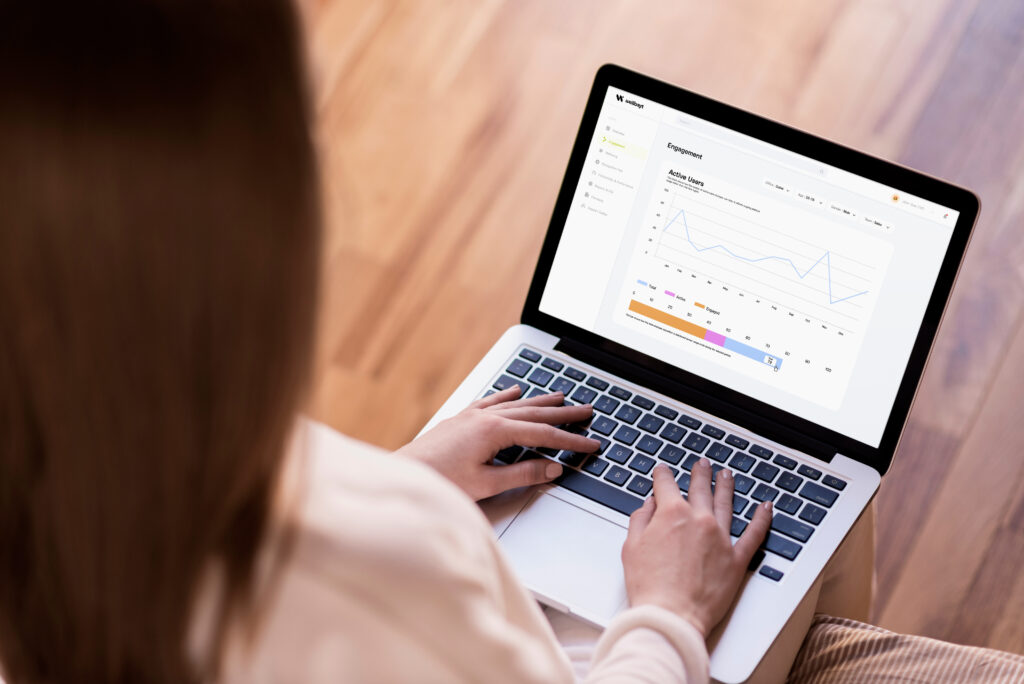
These patterns show whether initiatives are building consistency or remaining surface-level. When engagement data is tied to time and behavior progression, HR can adjust program design and timing with confidence.
Learn how real-time engagement and wellbeing data can support workforce planning using tools like the Champion Dashboard.
Recognition as a measurable cultural signal
Recognition data offers insight into how teams interact, collaborate, and acknowledge effort.
Tracking recognition frequency relative to workforce size shows whether appreciation is evenly distributed or concentrated within certain teams. Participation rates reveal whether recognition is shared broadly or driven by a small group.
Over time, recognition patterns often correlate with morale trends and team stability. When recognition activity declines, mood and engagement signals frequently follow. When recognition becomes more consistent across teams, confidence and retention tend to improve.
These signals help HR identify where culture is strengthening and where support is needed.
Mood and sentiment as early indicators
Pulse check-ins and mood distribution data provide immediate feedback on how teams are experiencing work.
Unlike annual surveys, real-time sentiment data allows HR to observe changes as they happen. Patterns across weeks and months can highlight pressure points linked to workload, leadership transitions, or seasonal demands.
Used responsibly, this data supports early intervention rather than post-issue correction. It also allows leaders to validate whether changes introduced are having the intended effect.
Linking wellbeing data to business outcomes
People data becomes strategic when it connects to operational outcomes.
Absenteeism rates, turnover trends, and team performance indicators help HR quantify the impact of engagement and wellbeing shifts. Viewing these metrics alongside participation and habit formation data creates a clearer picture of cause and effect.
When HR can trace how engagement patterns align with absence or attrition changes, conversations with leadership move from justification to planning.
Supporting HR teams with clarity and access
Dashboards are only effective when they are usable. Clear navigation, clickable tiles, and trend views help HR and Champions explore data without friction.
Access to support resources, setup guidance, and ongoing success management ensures that data remains actionable rather than overwhelming. This allows HR teams to focus on interpretation and decision-making rather than configuration.
Using people data to act with confidence
People data should reduce uncertainty, not add to it.
When HR teams have access to timely, connected insights across engagement, wellbeing, recognition, and performance, workforce decisions become more grounded. Planning feels informed rather than reactive. Conversations with leaders become clearer and more aligned.
If you want to see how structured people data can support smarter workforce decisions and long-term planning, talk to us.