Every November, the city of Dubai moves.
Parks fill up before sunrise, office groups meet for evening walks, and social feeds overflow with step counts and sweaty smiles.
What started as a public initiative, the Dubai Fitness Challenge (DFC), has become a city-wide ritual of collective movement. From individuals to entire workplaces, the 30×30 spirit (30 minutes of activity for 30 days) has reshaped how people in the UAE think about energy, connection, and wellbeing.
For HR leaders, this moment in the year offers more than inspiration. It’s a natural opportunity to reintroduce movement into the workday as part of how people reconnect with themselves, their teams, and their sense of balance.
The Shift Toward Movement at Work
Physical activity has long been tied to better health, but the link between movement and workplace performance is now well-documented.
Regular physical activity helps prevent disease and also improves mental health, quality of life, and overall wellbeing. That’s the World Health Organization’s wording, by the way. Physical activity is simply “all movement,” which makes it accessible for most employees.
Studies from Harvard Business Review and Gallup expand on this: short bursts of activity can sharpen focus, sustain attention, and raise engagement levels throughout the day. Employees who engage in wellness programs that include movement report higher satisfaction and energy, translating directly into improved retention and productivity.
And yet, data from the Middle East paints a worrying picture.
Gallup’s 2024 report found that 52% of employees in the region experience high daily stress, while only about 14% feel engaged at work. Burnout and disengagement remain the quiet drain behind declining morale and performance.
Movement, when reintroduced into the workday, offers one of the simplest, most accessible ways to change that.
Why Companies Are Turning to Activity-Based Challenges
Workplace movement challenges are gaining traction globally, not because they’re trendy but because they work.
A multi-company study on step-based initiatives found participants increased their average daily steps by around 1,700 during the program, maintaining higher levels even weeks after it ended. Those who joined team-based challenges also reported better connection and motivation compared to those doing solo fitness goals.
Movement challenges activate what employees often miss most in hybrid and high-pressure environments: shared purpose and belonging. When done right, they’re not about competition but about momentum. A reason to pause, stretch, or walk together, even virtually.
They also deliver something HR can measure. Increased participation, consistent engagement, and improved self-reported energy levels are tangible metrics that speak to both wellbeing and performance.
The Dubai Effect: When Culture Moves, Companies Follow
City-wide movements like the Dubai Fitness Challenge remind organizations how powerful collective wellness can be.
When an entire city commits to moving, it creates a ripple effect, not just in gyms and parks, but inside offices, coworking spaces, and team chats.
In recent years, thousands of residents, including corporate groups, have joined DFC through community hubs, corporate events, and in-app challenges. The energy becomes contagious. For HR teams, this external momentum makes November the perfect month to bring a wellness initiative to life internally.
It’s a chance to align with something bigger than a company campaign, the shared movement of an entire city.
And unlike other wellness programs that require heavy planning or external vendors, a movement challenge can be simple, digital, and inclusive enough for any company size or setup.
Stay ahead of workplace wellness
Get clear, actionable insights on wellbeing and leadership delivered straight to your inbox each week.
Making It Work Inside Your Organization
If you’re planning to ride the wave of the Dubai Fitness Challenge this year, here’s how to bring it into the workplace meaningfully.
1. Keep it simple and inclusive
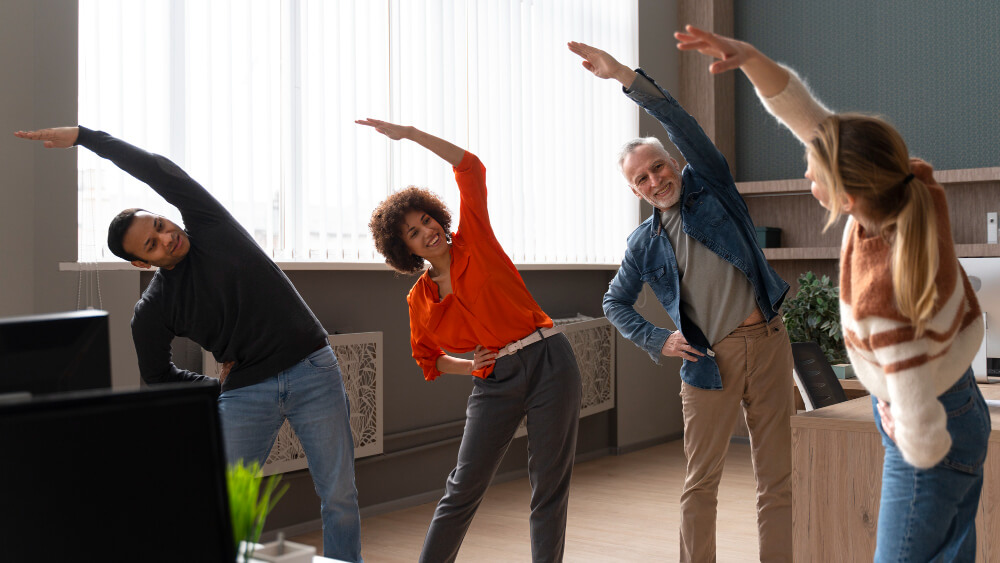
Start with activities anyone can join: walking, cycling, yoga, dancing, or stair climbs.
The WHO defines physical activity as “any bodily movement that requires energy expenditure,” meaning small, consistent habits are enough to make a difference.
2. Encourage self-check-ins over strict tracking
Instead of requiring time logs or distance entries, encourage daily self-check-ins. People are more likely to stick with a challenge that feels achievable and self-directed. Retro check-ins or short reminders can keep engagement high without pressure.
3. Add a friendly competitive edge
A leaderboard can motivate without turning the experience into a race. Team-based scores and streaks give employees something to root for. Just make sure to highlight participation over performance as the goal is collective consistency, not individual perfection.
4. Connect it to company culture
Frame it as a shared experience, not an HR initiative. Use it as a reminder that wellbeing is everyone’s responsibility, from leadership to interns. Managers who join the challenge themselves set the tone for balance and participation.
5. Extend the spirit beyond November
Challenges often lose momentum once they end. Keep it going with smaller monthly themes, for instance, “Mindful Mondays” or “Team Walk Fridays.” Sustaining movement in bite-sized ways is where long-term impact begins.
Why This Moment Matters
Across the UAE, 88% of employers plan to increase their wellness budgets in 2025, reflecting a shift in how wellbeing is viewed , not as a benefit, but as a business pillar. Research continues to show that physically active employees are more engaged, less likely to take sick leave, and more committed to their organizations.
The opportunity for HR lies in using cultural moments like the Dubai Fitness Challenge to bridge intention and action.
When you introduce movement into the workday, you’re not just supporting health; you’re reigniting connection, focus, and team morale.
And when that becomes the norm, wellbeing stops being an initiative and starts becoming part of how work feels.
A Workplace That Moves Together, Thrives Together
The Wellbayt Movement Challenge was designed with that philosophy in mind.
It brings the energy of the Dubai Fitness Challenge into workplaces through a simple, inclusive format, built for engagement, connection, and ease.
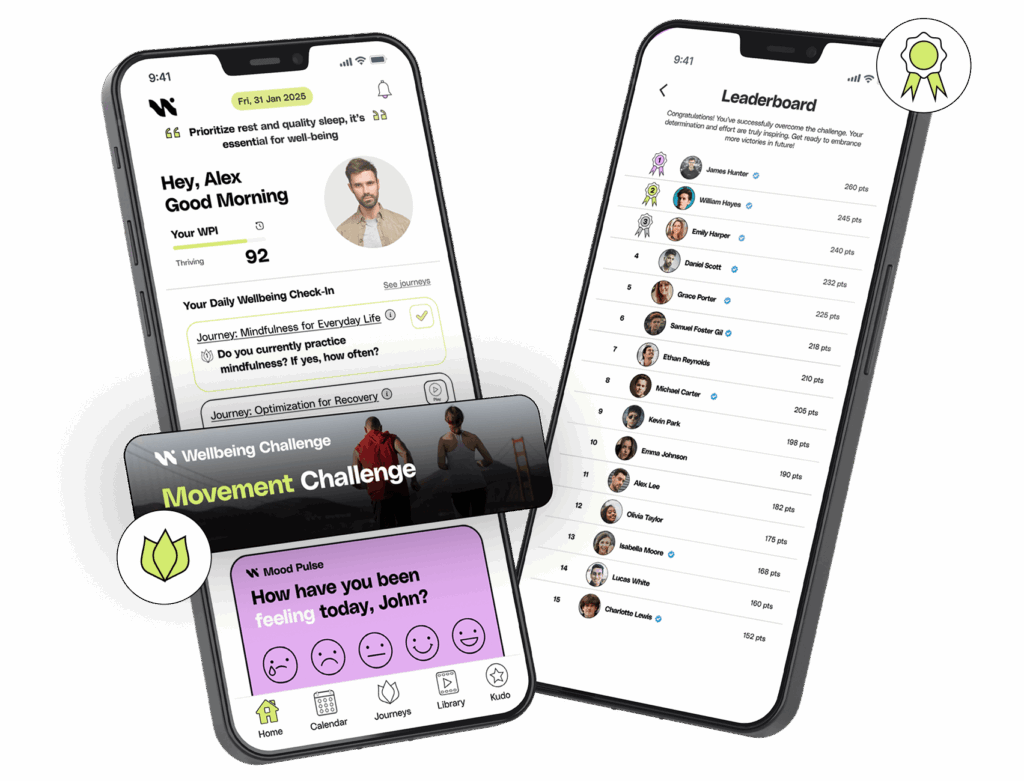
Teams log their daily movement, earn points, and see their progress on a shared leaderboard. HR teams get full visibility through an admin dashboard, while employees experience wellness as something they actually enjoy doing together.
Because in a city that’s already moving, the real question isn’t if your team should join but how soon you start.