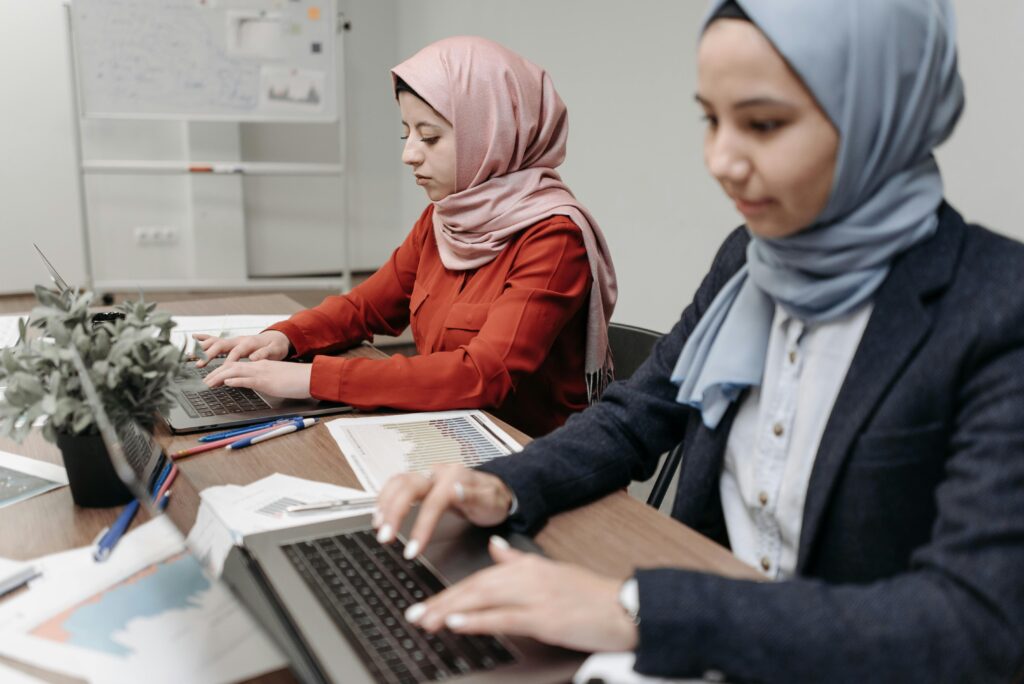
Hybrid teams in the UAE and Saudi Arabia face a unique challenge every January. People return with different expectations about pace, communication, and priorities. These differences are small at first, but they often lead to slow coordination, uneven focus, and early-year friction that could have been avoided.
A smooth start in 2026 depends on preparation, not pressure. The more predictable the structure is before teams log off for the year, the faster they regain direction when they return. Hybrid teams rely on shared norms and clarity, and those foundations are easiest to build before the year resets.
This guide outlines the steps HR can take now to create stability, momentum, and alignment across hybrid teams in the first weeks of 2026.
Why Hybrid Teams Face More Re-entry Challenges
Hybrid setups rely heavily on timing, clarity, and shared signals.
When teams return from long breaks, those signals reset at different speeds.
A 2023 Microsoft Work Trend Index for the Middle East found that hybrid teams experience higher coordination delays than fully in-office teams during transition periods. People come back with different work rhythms, communication habits, and expectations about urgency.
These gaps often appear in January:
- uneven response times
- misaligned meeting expectations
- confusion about early priorities
- fragmented communication
- slow decision-making
- duplicated work
None of these issues require major restructuring. They require shared preparation.
Stay ahead of workplace wellness
Get clear, actionable insights on wellbeing and leadership delivered straight to your inbox each week.
What Hybrid Teams Need Before Logging Off for the Year
The most effective preparation happens in small, practical steps. These steps create the conditions for a calm and organized return.
1. A clear outline of January priorities
Teams start stronger when they know what matters first.
A short overview of the month’s objectives provides structure and direction without adding pressure.
2. Communication expectations for the first weeks
Hybrid work depends on predictable communication habits.
Set expectations for response times, preferred channels, meeting frequency, and when async updates help the team work more smoothly.
3. Working rituals for the start of 2026
Rituals are simple actions that create rhythm.
This can include weekly team check-ins, project sync points, and light wellbeing prompts that help the team move together.
4. Visibility of wellbeing and culture touchpoints for 2026
People work with more confidence when the year has a clear structure.
Share key wellness and engagement dates now so teams understand the rhythm of the year ahead.
5. Handover rules for ongoing work
Hybrid teams lose momentum when handovers are unclear.
Create simple guidelines for updates, ownership, and escalation paths so work moves forward without confusion in January.
6. Manager alignment before the break
Managers shape the tone of the first weeks.
A short alignment meeting sets consistent expectations across departments and helps avoid mixed signals when teams return.
Give your hybrid teams a structured year ahead.
Download the 2026 Wellbeing Calendar and set your monthly anchors before the break. Get the Calendar
How HR Can Build Predictability for the First Quarter
Preparation does not require complex initiatives. The value comes from structure and timing.
1. Map the first 60 days
Outline the key projects, checkpoints, and expected collaboration points for early 2026.
This becomes a shared reference guide across the team.
2. Share important dates early
When employees know the wellness anchors, engagement moments, and operational checkpoints ahead of time, they organize their work more effectively.
3. Build one central 2026 resource hub
Hybrid teams benefit from a single location where they can find priorities, templates, process guides, and wellbeing touchpoints.
4. Equip managers with practical guidance
Provide short guides that help managers support hybrid teams, coordinate expectations, and shape early momentum.
Why Early Preparation Matters More in MENA Hybrid Workplaces
Hybrid teams in the region navigate a mix of diverse working styles, varied time zones, rapid organizational change, and different cultural expectations around communication.
A predictable start reduces friction and strengthens trust.
A 2024 PwC Middle East workforce pulse report highlighted that employees in the GCC value consistency and operational clarity as primary contributors to workplace confidence.
When hybrid teams know how the year will begin, they adjust faster and engage more deeply.
January shapes the tone for the next several months.
If you want support designing a structured, people-centered start to 2026 for your hybrid teams, talk to us. We help organizations reduce friction and build clarity across the year. Talk to Us