
Hybrid Work Strategies for a Healthier, More Engaged Workforce
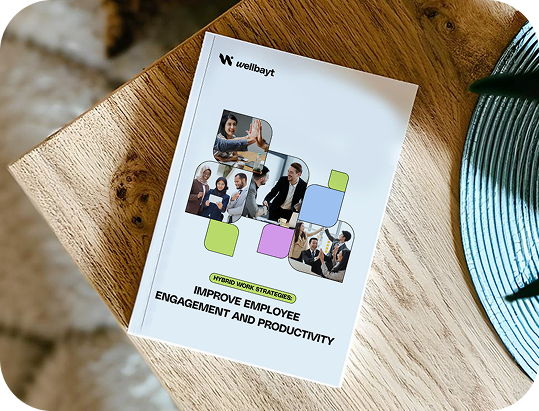
Discover practical ways to support employee wellbeing, boost engagement, and personalize your wellness programs for today’s hybrid teams. Designed for HR leaders navigating change across the MENA region.
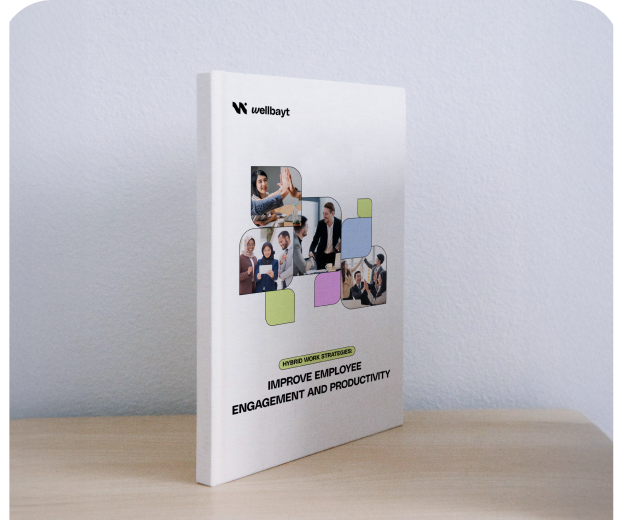
Inside this guide, you’ll find proven frameworks and strategies that help hybrid workplaces move beyond surface-level wellness efforts. Here’s what to expect:


Strategy
Wellness That Fits Hybrid Realities
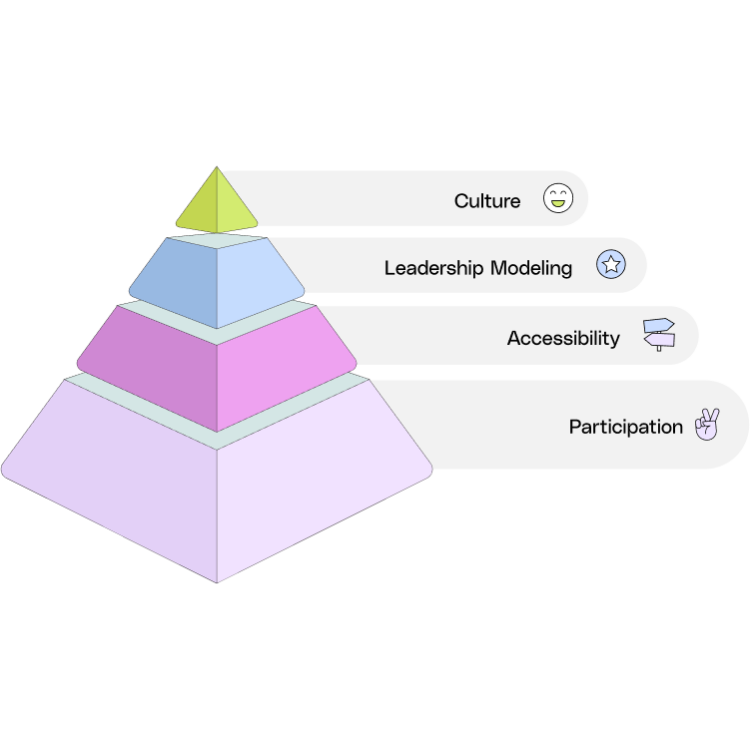
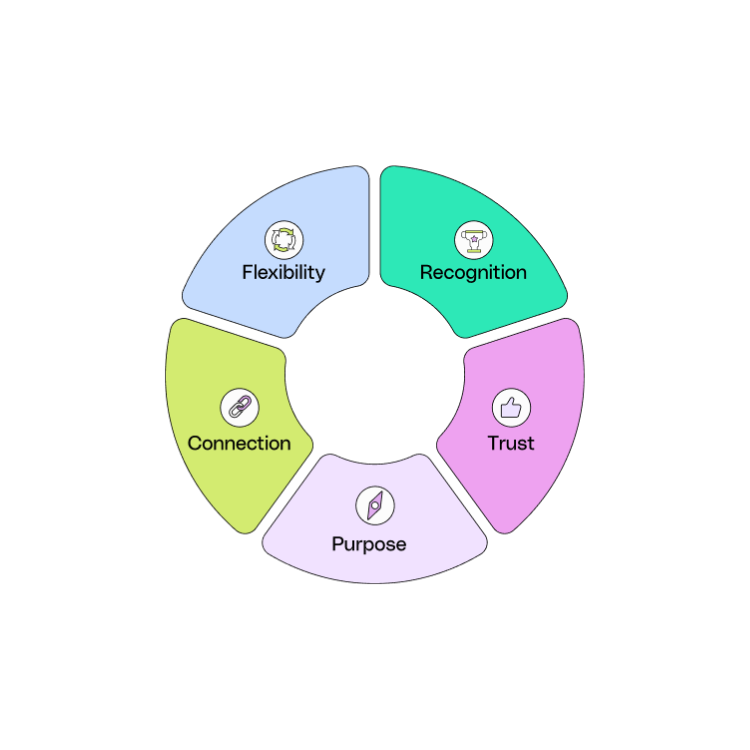
An effective wellness program in a hybrid setup needs to be flexible, inclusive, and grounded in what people actually need. A single approach won’t work across in-office and remote teams, so HR leaders must focus on accessibility, honest feedback, and cultural alignment. When wellness becomes part of how teams work, it drives stronger engagement and trust.
Personalization
Inclusive by Design
Hybrid workplaces are more diverse than ever. From generational preferences to personality types and cultural values, employees respond best to support that feels personal and relevant. When HR teams design wellness programs with this in mind, participation grows and a stronger sense of belonging starts to take root.
Gen Z (1997–2012)
Focus on mental health, purpose, and growth. They tend to embrace counseling support, mentorship, and digital wellbeing tools (e.g., mindfulness apps).
Gen X (1965–1980)
Often juggling kids, aging parents, and job responsibilities, they value autonomy and practical benefits (e.g., comprehensive health insurance and parental leave). Customizable work options go a long way toward easing stress.
Millennials (1981–1996)
Want holistic wellbeing and work-life harmony. Flexible hours, fitness and nutrition perks, and continuous career development are top of mind.
Boomers (1946–1964)
Typically focus on physical health and planning for retirement. They might prefer traditional wellness offerings—like on-site health checks or face-to-face sessions—while appreciating user-friendly support for digital tools.
ROI
Keep Evolving What Works
A hybrid wellness strategy needs regular check-ins to stay effective. That means listening closely, tracking engagement, and using feedback to adjust along the way. The more your program adapts to what employees actually experience, the more it stays useful, impactful, and aligned with business goals.

Employee Mental Health Score
Average Daily Steps

Work-Life Balance Satisfaction

Sick Days Taken

Participation in Wellness Programs

Nutrition Engagement
Support that adapts to your team, not the other way around.
Strong hybrid strategies are built on clarity, care, and consistency. This guide shows how to take that approach, from designing wellness programs that actually work to creating a culture of feedback and inclusion. Every insight is grounded in the day-to-day realities of leading hybrid teams across the MENA region, with flexible strategies you can apply right away.
Get Free Access Now
Let’s Build a Healthier, More Engaged Workplace
Connect with our team to discover how we can help you create a culture that supports wellbeing and productivity. Not sure where to start? Take a quick test to see where your team stands and get actionable next steps.