
What HR Can Simplify Without Losing Impact

HR work has expanded quietly over the past few years. More data to track. More initiatives to run. More expectations from leadership, often without additional resources.
What many HR teams are realizing is that the pressure does not come from doing too little. It comes from doing too much in fragmented ways.
Simplification, when done well, does not reduce impact. It removes friction that slows decisions, dilutes engagement, and makes progress harder to sustain.
What Sustainable Workforce Planning Looks Like in Saudi Arabia

Workforce planning in Saudi Arabia has shifted from a background HR process to a core operational capability. As organizations scale alongside Vision 2030 priorities, decisions about hiring, development, and structure increasingly determine whether growth holds up over time.
What Teams Are Responding To When Policies Don’t Change

Many organizations enter a new year with the same policies they ended the last one with. Working hours stay the same. Approval processes remain unchanged. Performance frameworks carry over with minor edits. Yet inside teams, behavior still shifts.
People adjust how they show up even when policy stays still.
Understanding what teams actually respond to during these periods helps HR leaders influence engagement and retention without waiting for formal change cycles.
How Family-Friendly Policies Influence Retention in UAE Workplaces

In 2026 the United Arab Emirates government officially declared the year as the Year of the Family, reinforcing the importance of family bonds, social cohesion and wellbeing as national priorities.
This designation reflects a broader policy emphasis that elevates family wellbeing as a pillar of community life and national development. Government bodies, business councils and advisory committees are expanding initiatives that strengthen families through workplace support, flexible work arrangements and inclusive HR practices throughout the private and public sectors.
How HR Can Use People Data to Guide Workforce Decisions

HR teams are sitting on more data than ever before. Engagement scores, participation rates, mood checks, absenteeism figures, turnover trends. The challenge is no longer access. It is knowing what to look at, how to connect signals, and when to act.
People data becomes valuable only when it supports decisions that affect workload, culture, retention, and performance. Without that link, metrics stay descriptive rather than useful.
How Workplaces Can Prepare for Ramadan Without Disrupting Performance

For many organizations in the UAE and Saudi Arabia, Ramadan is often treated as a temporary slowdown to manage around. In reality, it is a predictable, recurring shift in work patterns that can either strain performance or strengthen it, depending on how teams prepare.
Performance during Ramadan does not decline because people are fasting. It declines when expectations, workflows, and leadership behaviors stay unchanged despite clear shifts in energy, schedules, and availability.
How Recognition Shapes Team Behavior Over Time

Recognition is often discussed in the context of morale, motivation, or retention. Its longer-term influence is more structural. Over time, recognition affects how teams allocate effort, how comfortable people feel making decisions, and how contribution is defined inside the organization.
These effects accumulate gradually. Teams adjust based on what receives attention, acknowledgment, and reinforcement. Months later, patterns emerge that feel cultural, even though no formal change was announced.
How HR Teams in the United Arab Emirates Are Measuring Wellbeing Differently in 2026

In 2026, HR teams across the UAE are rethinking how wellbeing is tracked, discussed, and acted on. The shift is all about choosing signals that reflect how work is actually experienced inside teams.
Traditional wellbeing measurement often focused on participation counts or annual survey scores. Those data points still exist, but they no longer stand alone. HR leaders are looking for ways to understand strain, engagement, and capacity while there is still time to respond.
Why Teams Engage More When Wellness Is Built Into the Workday

When wellness is embedded into the workday, participation rises without additional motivation campaigns, reminders, or incentives. The reason is simple: employees do not have to choose between work and wellbeing. Both move together.
What Sustainable Growth Looks Like for Tech Teams in UAE

Tech teams in the UAE are scaling inside a very specific reality. Growth targets are ambitious, timelines are compressed, and talent markets are competitive. What has changed in 2026 is how leaders are defining what sustainable growth actually looks like inside that environment.
How Wellness Sessions Actually Influence Performance When Done Right
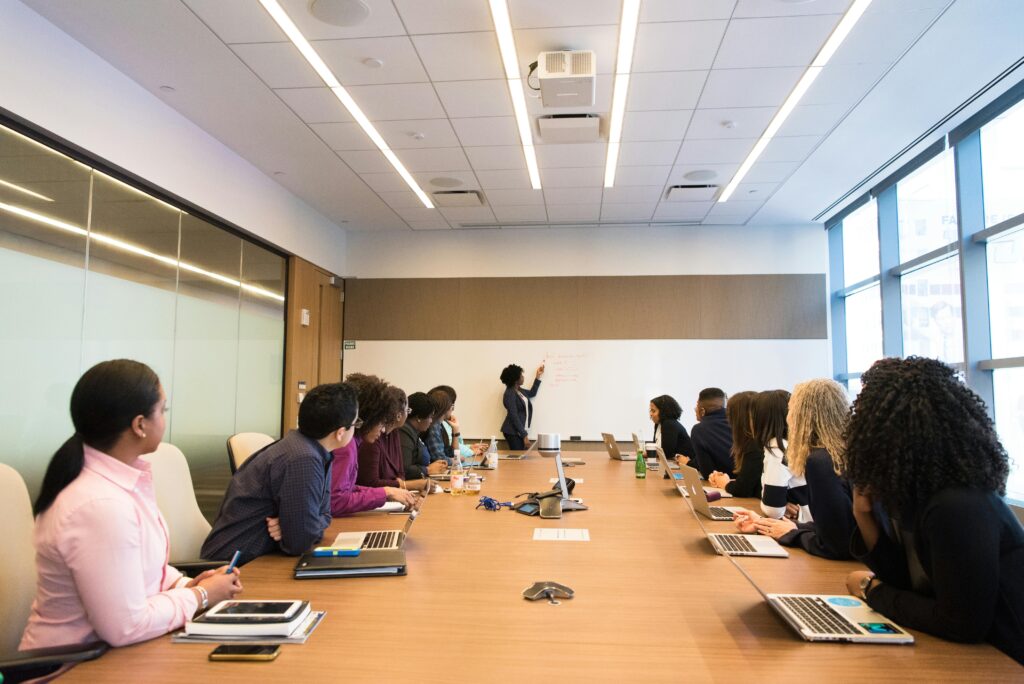
Wellness sessions are often evaluated by attendance. Who joined. How many showed up. Whether the calendar invite was accepted.
What tends to get missed is what happens after the session ends.
When wellness sessions influence performance, it is rarely because of the topic alone. It happens because the session fits into how people learn, apply, and reflect during real work.
Retention Strategies in Saudi Arabia: Why They’re Becoming More People-Centered

Retention conversations in Saudi Arabia are changing tone. Where discussions once centered on compensation adjustments or replacement speed, leaders are now paying closer attention to how employees experience work over time.
Recognition Gaps: Why Employee Recognition Affects Retention

Across fast-moving organizations, a large portion of meaningful work happens quietly. Problems are prevented before they escalate. Clients are supported behind the scenes. Teams absorb pressure to keep delivery steady. When this work goes unnoticed, the impact is rarely immediate. It shows up later through disengagement, withdrawal, and eventual exits.
Employee Wellbeing Budgets in Dubai: How Companies Are Rethinking Spend This Year

Budget conversations around employee wellbeing in Dubai are changing. The shift is not about spending more or less but spending with intent, timing, and accountability.
In recent planning cycles, HR leaders and finance teams have been asking harder questions. What is actually being used? What influences day-to-day behavior? Which investments reduce friction rather than add another layer of activity?
What High-Participation Wellness Programs Do Differently

Participation is the clearest signal of whether a wellness program fits into real work life. When engagement is high, it usually reflects alignment with how people operate day to day. When it is low, it often points to structural friction rather than lack of interest.
Employee Expectations in the UAE Workplace: What’s Changing in 2026

The start of 2026 marks a noticeable shift in how employees across the UAE think about work. Expectations are no longer shaped only by job titles or compensation. They are shaped by lived experience. The past few years have changed how people assess whether a workplace is worth staying in, growing with, or leaving behind.
The Problem With Annual Engagement Surveys in Fast-Moving Teams

Annual engagement surveys were designed for a different pace of work. A time when teams were more stable, priorities shifted slowly, and organizational change followed predictable cycles. For many fast-moving teams today, that model no longer fits reality.
When work evolves week to week, relying on a once-a-year snapshot creates blind spots that HR teams often only notice after engagement has already declined.
Employee Support in Saudi Arabia: How Fast-Moving Industries Are Redefining It

Saudi Arabia’s workplace landscape is changing quickly. Large-scale national initiatives, rapid private-sector growth, and ambitious transformation agendas have created environments where pace is high and expectations are evolving just as fast.
In this context, employee support is no longer limited to traditional benefits or reactive interventions. It is becoming a structural consideration, tied closely to how organizations plan, operate, and sustain performance over time.
The Invisible Decisions That Shape Workplace Culture

Workplace culture is formed less by stated values and more by the everyday decisions organizations repeat without noticing. This article explores how invisible signals shape employee behavior, trust, and sustainability over time—and where leaders and HR teams can intervene meaningfully.
How Fast-Moving Industries in Saudi Arabia Are Redefining Employee Support

As Saudi Arabia’s industries scale at speed, employee support is evolving from reactive benefits to a core operational strategy. This article explores how fast-moving organizations are embedding support into daily work to sustain performance, clarity, and growth.
Setting Culture Anchors Early: Why the First Weeks Matter Most

The first weeks of a new cycle quietly shape how teams prioritize, collaborate, and pace their work for the rest of the year. This article explores how early leadership signals become lasting culture anchors—and how HR teams can design them with intention.
A Complete Guide to Year-end Wellness Programs for MENA Workplaces: Volume 5

Inclusive year-end wellness planning is essential for UAE and KSA workplaces—especially for employees who are often overlooked, such as shift-based teams, field workers, and quiet high performers. This guide breaks down simple, low-lift adjustments HR teams can use to bring wellness support to every corner of the workforce before 2026.
How to Prepare Hybrid Teams for a Smoother Start in 2026

Hybrid teams across the UAE and Saudi Arabia often face coordination challenges at the start of the year. With the right preparation, clear priorities, communication norms, and manager alignment, HR can create a smoother and more predictable start to 2026. This guide explains the practical steps to set your teams up for momentum and clarity from day one.
A Complete Guide to Year-end Wellness Programs for MENA Workplaces: Volume 4

The final weeks of the year quietly shape how employees judge culture, trust, and leadership. This guide explores how HR teams in MENA can use the year-end decision window to build clarity, stability, and stronger engagement for 2026.
Planning for Regeneration Before the Year Ends

The last six weeks of the year reveal real team dynamics, pressure points, workflow gaps, and culture signals. Here’s how HR can use this period to strengthen the next twelve months.
A Complete Guide to Year-end Wellness Programs for MENA Workplaces: Volume 3

Year-end is the highest retention-risk period in MENA workplaces, with job-search activity peaking in December through February. This guide explains why low-lift wellness strategies outperform big campaigns—and how UAE and KSA HR teams can use simple, meaningful touchpoints to stabilize morale and strengthen retention before the new year.
Why Most Burnout Metrics Miss the Point
Most burnout metrics measure the aftermath, not the early signs. This article explains why traditional indicators fall short and highlights the real-time signals HR teams in MENA should track to spot burnout sooner.
A Complete Guide to Year-end Wellness Programs for MENA Workplaces: Volume 2

December exposes the real stress, burnout triggers, and workload gaps hidden in MENA workplaces all year. This guide shows HR leaders how to use year-end pressure as a diagnostic tool to design stronger, more accurate workplace wellness and wellbeing strategies for 2026.
The 3 Types of Burnout and How to Design Interventions That Stick

Burnout isn’t one-size-fits-all. Research shows three distinct burnout profiles—each requiring a different recovery approach. Learn how HR teams in the MENA region can identify burnout early and design interventions that actually stick in hybrid and high-pressure work environments.
A Complete Guide to Year-end Wellness Programs for MENA Workplaces: Volume 1
MENA workplaces are among the most diverse in the world, and year-end wellness plans must reflect that. This guide explores how HR teams in the UAE and KSA can design inclusive, culturally aware wellness programs that boost connection, reduce stress, and set a positive tone for 2026.
How Managers Accidentally Contribute to Burnout

Many burnout issues come from good managers, not bad ones. Explore the five hidden behaviors that drain team energy and learn how small leadership shifts can prevent burnout and boost engagement.
From Awareness to Action: Turning Wellbeing Dates into Real Workplace Change

Many companies celebrate wellness days like World Mental Health Day, yet the impact fades fast. This article explores how HR teams can turn awareness moments into lasting culture change using the 2026 Wellbeing Calendar as a year-round engagement framework.
What Burnout-Proof Teams Actually Do Differently

In high-pressure industries like tech and finance, burnout has become the silent cost of ambition. This article explores how resilient teams in Dubai and Riyadh build clarity, manage energy, and create communication systems that sustain performance and wellbeing.
Why Wellness Matters in Dubai’s Fast-Paced Tech Companies

Dubai’s tech scene is thriving, but so is burnout. Learn how embedding wellness into daily workflows helps tech teams maintain focus, performance, and sustainable innovation in the city’s fast-paced digital economy.
The Burnout Recovery Loop: Building Back Without Starting Over

Burnout recovery isn’t a one-time reset, it’s a loop. Explore how leaders and HR can guide employees through recognition, release, rebuild, and reinforcement for lasting energy and engagement.
Calculating What Care Is Worth: A Practical Guide to Employee Wellbeing ROI

HR leaders win budgets with numbers, not intentions. This practical guide shows how to calculate the ROI of employee wellbeing using absenteeism, turnover, and productivity so you can prove what care is truly worth to your business.
Why Energy Management Beats Time Management for Burnout Recovery

Most professionals don’t burn out because they mismanage time, but because they mismanage energy. Learn why energy management is the key to burnout recovery and how HR leaders across the UAE and Saudi Arabia can design workplaces that sustain both performance and wellbeing.
How Dubai’s Fitness Spirit Is Inspiring a New Kind of Workplace Wellness

Dubai’s Fitness Challenge is inspiring workplaces to move more. Discover how the city’s 30×30 spirit is helping HR teams boost wellbeing, connection, and engagement through simple, inclusive movement challenges.
What HR Gets Wrong About Burnout: Insights from Frontline Teams

HR teams across the UAE and KSA often celebrate strong engagement metrics, but behind the dashboards, employees are running on empty. This article uncovers the hidden disconnect between data and reality, revealing why burnout is being normalized instead of solved, and what HR leaders can do to truly support frontline teams.
The Inner Work of Resilience: How Self-Mastery Shapes Workplace Wellbeing

Discover how meditation teacher and wellbeing expert Kanupriya Saraf helps professionals cultivate emotional resilience and balance through the practice of self-mastery. In this insightful feature, she shares how inner awareness, holistic healing, and mindful energy practices can transform workplace wellbeing and prevent burnout from within.
How to Spot Burnout in Hybrid Workplaces Before It Becomes Normal

Spot burnout early in hybrid teams. Discover subtle warning signs, key stress factors, and proven HR strategies to build a healthier, more resilient, and high-performing workplace culture.
Managing Leadership Workplace Stress in the UAE

Leaders in the UAE face rising stress from constant visibility, cultural complexity, and rapid change. This guide explores the top stressors in 2025 and offers practical strategies for HR and executives to prevent burnout and foster resilience at work.
The Silent Cost of Culture Fatigue: How Subtle Burnout Manifests in High-Performing Teams

Teams may look fine on paper, but culture fatigue quietly drains energy, slows innovation, and erodes morale in high-performing teams.
Burnout and Leadership: Why Sustainable Workplaces Start from the Top

Is burnout affecting your leadership? Learn how to restore balance, boost team engagement, and build a sustainable workplace with proven leadership strategies.
Designing a Healthy Workplace Wellness Program for Employees That Actually Works

Workplace wellness is no longer a perk. It’s a strategic investment that drives employee engagement, retention, and performance.
Why Every HR Team Needs a Wellness Program Strategy

A clear wellness program strategy transforms HR efforts from scattered initiatives into a culture of sustained well-being that directly fuels productivity, engagement, and retention. Without it, companies risk treating burnout like a side issue, missing out on the measurable ROI that comes from truly embedding employee wellness into business success.
5 Proven Ways to Measure Employee Wellness ROI for Your 2025 Planning
Learn how to measure employee wellness ROI with five proven metrics that matter for 2025 planning — from absenteeism and healthcare costs to productivity, retention, and engagement. A practical guide for HR leaders focused on real results.
How Cognitive Distortions Can Hinder Your Business

Cognitive distortions, are mental shortcuts that can lead us astray. While they may have evolved to help us process information quickly, they can sometimes introduce biases and negativity that cloud our judgment and sabotage our business endeavors.